Residential Lease Agreement: A Practical Guide for Renters and Landlords
A residential lease agreement is a legal document that outlines the terms and conditions of a rental arrangement between a landlord and a tenant. It serves as a binding contract that protects both parties by clearly defining responsibilities, rights, and expectations. Whether you're a homeowner looking to rent out your property or a tenant searching for a place to live, understanding how a residential lease agreement works is essential.
This type of agreement is especially useful for real estate agents, private homeowners, and small business owners who want to maintain professionalism and clarity in their rental processes. With the right template, you can create a document that’s easy to customize, print, and use in various situations.
When and Where to Use a Residential Lease Agreement
Residential lease agreements are commonly used in a variety of settings. For example, a landlord might use one when renting out a house, apartment, or studio. Similarly, a real estate agent could use it to formalize a rental deal with a potential tenant. These agreements are also helpful for businesses that manage rental properties or offer short-term housing solutions.
They’re not just for traditional landlords. If you're a small business owner offering accommodations as part of your services—like a boutique hotel, vacation rental, or co-living space—a residential lease agreement ensures that all terms are clear and legally sound. This helps prevent misunderstandings and disputes down the line.
Realistic Use Cases for Residential Lease Agreements
Imagine you're a freelance graphic designer who rents out a spare room in your home. You need a clear agreement that outlines rules about noise, cleanliness, and payment schedules. A residential lease agreement can help you set these boundaries without relying on verbal promises.
Or consider a small business owner who runs a bed-and-breakfast. They might use a lease agreement to define the stay duration, check-in and check-out times, and what's included in the rental. This ensures consistency and reduces the risk of conflicts with guests.
Another scenario involves a landlord who wants to avoid confusion with tenants. By using a well-structured lease agreement, they can clearly state things like security deposits, maintenance responsibilities, and termination clauses. This makes the rental process smoother for everyone involved.
How Different Users Benefit from a Residential Lease Agreement
For renters, a residential lease agreement provides peace of mind. It ensures that they know exactly what to expect in terms of rent, utilities, and living conditions. It also gives them a reference point if issues arise during their stay.
Landlords benefit by having a clear framework for managing their properties. They can outline rules about pets, subletting, and repairs, which helps maintain the condition of their investment. Plus, a signed agreement can be used as evidence in legal disputes if necessary.
Businesses that offer rental services also gain from using a residential lease agreement. It allows them to standardize their processes, ensuring that each guest or tenant receives the same level of clarity and professionalism. This builds trust and improves customer satisfaction.
What to Consider Before Using a Residential Lease Agreement
Before finalizing a lease agreement, it's important to understand the local laws and regulations. Each region may have specific requirements for rental contracts, such as minimum notice periods or security deposit limits. Always consult with a legal professional or review local guidelines to ensure compliance.
Additionally, think about the needs of both the landlord and the tenant. A good lease agreement should be fair and balanced, covering all relevant aspects of the rental. Avoid overly complex language that could confuse either party. Keep it simple and straightforward.
Customization is another key factor. While pre-made templates can save time, they should be tailored to fit the specific situation. For instance, if you're renting to a long-term tenant, you may need different clauses than if you're offering a short-term stay.
Why Choose an Editable Residential Lease Agreement Template?
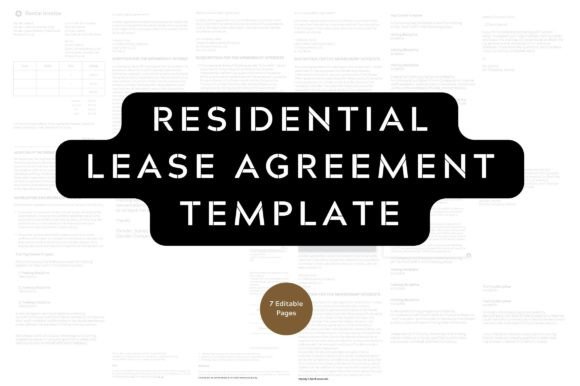
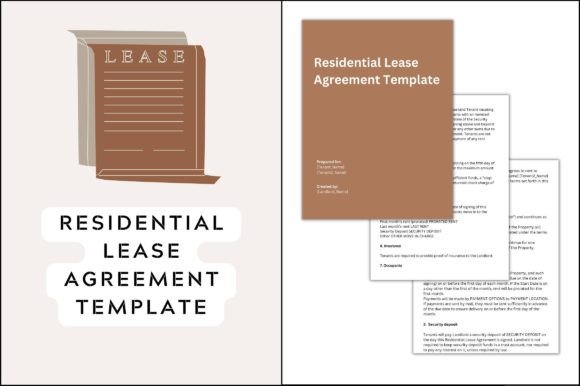
Using an editable residential lease agreement template offers several advantages. First, it saves time. Instead of starting from scratch, you can use a pre-designed format that already includes the necessary sections. This means you can focus on personalizing the content rather than formatting the document.
These templates are also easy to modify. You can change the font, colors, layout, and even add your own branding. This is especially useful for small businesses that want to maintain a professional image. By customizing the template, you can make the lease agreement reflect your brand’s style and values.
Another benefit is the flexibility to resize and adjust the document as needed. Whether you're printing it for a physical copy or sharing it digitally, the template can be adapted to fit different formats. This makes it more versatile for various uses.
How to Get Started with a Residential Lease Agreement Template
Getting started with a residential lease agreement template is simple. Many platforms offer downloadable files in multiple formats, including PDF, PNG, and SVG. This means you can choose the version that best suits your needs.
Once you’ve downloaded the template, you can edit it using tools like Canva or other design software. These tools allow you to drag and drop elements, adjust colors, and add images—all without needing advanced design skills. The result is a clean, professional-looking document that meets your specific requirements.
After customization, you can print the lease agreement or send it electronically to the tenant. This makes the entire process efficient and user-friendly, whether you're a first-time landlord or a seasoned property manager.
Final Thoughts on Residential Lease Agreements
A residential lease agreement is more than just a formality—it’s a practical tool that brings clarity and structure to rental arrangements. Whether you're a landlord, tenant, or business owner, using a well-designed and customizable template can make the process easier and more effective.
By taking the time to understand the agreement and tailor it to your needs, you can build stronger relationships, reduce conflicts, and create a more transparent rental experience. With the right resources at your disposal, you’ll be well-equipped to handle any rental situation with confidence and professionalism.