Understanding the Simple Residential Lease Agreement
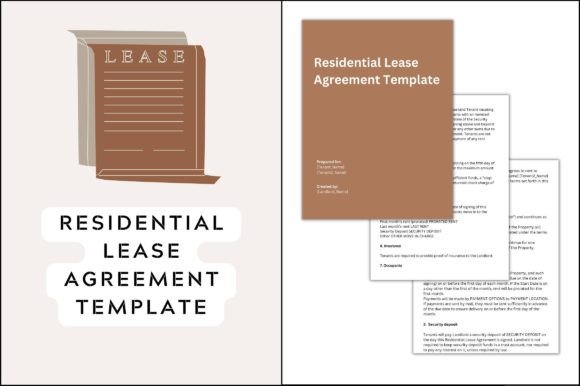
A Simple Residential Lease Agreement is a legal document that outlines the terms and conditions between a landlord and a tenant for the rental of a residential property. It serves as a binding contract that ensures both parties understand their rights and responsibilities throughout the lease period. Unlike more complex agreements, this template is designed to be straightforward, easy to use, and customizable for a wide range of situations.
What makes the Simple Residential Lease Agreement distinct is its focus on clarity and accessibility. It avoids unnecessary legal jargon, making it easier for both landlords and tenants to comprehend. This simplicity can be especially beneficial for small businesses or private homeowners who may not have access to legal counsel. The agreement includes essential elements such as rent amount, payment schedule, security deposit details, and rules regarding property maintenance and use.
How It Compares to Other Options
When compared to other types of lease agreements, the Simple Residential Lease Agreement stands out for its ease of use and adaptability. Traditional lease contracts often require extensive legal review and customization, which can be time-consuming and costly. In contrast, the Simple Residential Lease Agreement offers a ready-to-use format that can be edited quickly to meet specific needs.
For example, commercial lease agreements typically involve more complex clauses related to business operations, insurance, and liability. These are not necessary for a standard residential lease. Similarly, digital templates offer flexibility but may lack the structure needed for legal compliance. The Simple Residential Lease Agreement strikes a balance by providing a structured yet flexible option that meets most residential rental scenarios.
Another alternative is using a generic lease form found online. While these can be useful, they may not include all the necessary legal protections or be tailored to local regulations. The Simple Residential Lease Agreement, however, is designed with these considerations in mind, ensuring that users have a reliable and legally sound document.
Strengths and Tradeoffs
The primary strength of the Simple Residential Lease Agreement lies in its user-friendly design. It allows users to customize key sections without requiring advanced technical skills. Features such as drag-and-drop editing and pre-designed layouts make it accessible for individuals and small businesses looking to save time and resources.
Additionally, the availability of multiple file formats—such as PDF, PNG, SVG, and JPG—ensures that the agreement can be used across different platforms and devices. This versatility is particularly useful for real estate agents, property managers, and homeowners who need to share or print the document as needed.
However, there are tradeoffs to consider. While the simplicity of the template is a benefit, it may not cover every possible scenario. For instance, unique property conditions, specific local laws, or special arrangements between the landlord and tenant may require additional clauses that are not included in the basic template. In such cases, consulting a legal professional could be advisable.
Another potential limitation is the reliance on third-party tools for editing. While many templates are compatible with design software like Canva, users must ensure that the final document remains legally valid. It’s important to double-check that all necessary information is included and that the language used is appropriate for the jurisdiction in which the lease will be used.
Best-Fit Situations
The Simple Residential Lease Agreement is ideal for a variety of situations. It works well for private homeowners who want to rent out a property without the need for extensive legal documentation. It is also suitable for small businesses that manage rental properties as part of their operations, such as property management companies or real estate agencies.
For example, a homeowner renting out a vacation home might find the template helpful in setting clear expectations about guest behavior, check-in procedures, and cleaning responsibilities. Similarly, a small real estate firm could use the agreement to streamline the leasing process for multiple properties, ensuring consistency and reducing administrative workload.
It is also a good fit for those who are new to property rentals and need a reliable starting point. The template provides a foundation that can be adjusted as needed, helping users avoid common pitfalls associated with incomplete or unclear lease terms.
When to Consider Alternatives
While the Simple Residential Lease Agreement is a solid choice for many, there are situations where a different approach may be more appropriate. For instance, if the rental involves a commercial space or has unique legal requirements, a more specialized lease agreement may be necessary. These could include clauses related to business use, insurance, or long-term commitments that go beyond typical residential leases.
In cases where the property is subject to specific local regulations, such as rent control or housing codes, it may be wise to consult a legal expert or use a lease template that is tailored to those requirements. Additionally, if the lease involves multiple tenants or complex payment structures, a more detailed agreement might be required to ensure clarity and legal protection for all parties involved.
For users who prefer a fully customized solution, hiring a legal professional to draft a bespoke lease agreement could be a better option. This ensures that all legal nuances are addressed, though it may come at a higher cost and require more time to finalize.
Practical Examples and Use Cases
Consider a scenario where a landlord wants to rent out a single-family home. Using the Simple Residential Lease Agreement, they can easily input details such as the monthly rent, due date, and security deposit amount. They can also add clauses about pet policies, maintenance responsibilities, and termination conditions. This level of customization helps prevent misunderstandings and sets clear expectations from the start.
Another example is a small real estate agency that manages several properties. By using the same template across all listings, the agency can maintain a consistent approach while still allowing for individual adjustments. This not only saves time but also reduces the risk of errors that could occur with manually created documents.
For a homeowner looking to rent out a room in their house, the template can be adapted to include specific terms about shared spaces, noise restrictions, and utility responsibilities. This helps create a fair and transparent arrangement that benefits both the landlord and the tenant.
Conclusion
The Simple Residential Lease Agreement is a practical and efficient tool for anyone involved in residential property rentals. Its straightforward design, ease of customization, and compatibility with various file formats make it a valuable resource for small businesses, private homeowners, and real estate professionals. However, it is important to assess the specific needs of each situation and determine whether additional legal guidance or a more complex agreement may be necessary.