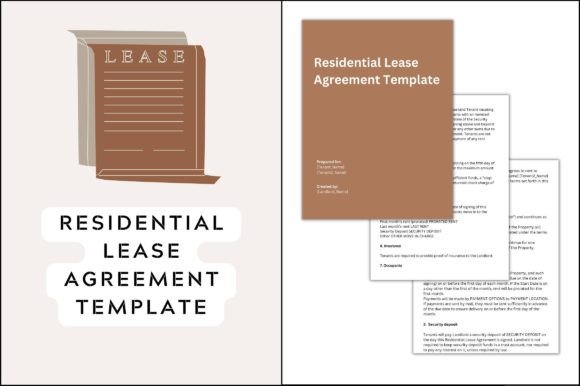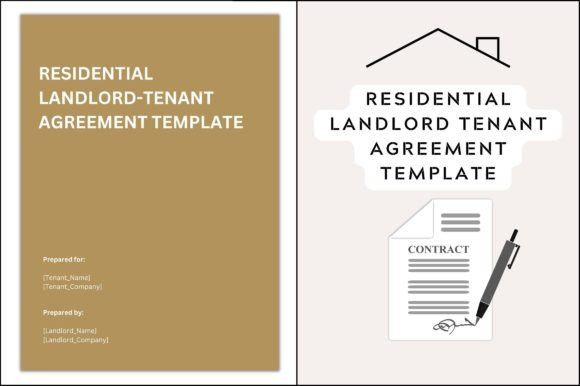
Residential Landlord Tenant Agreement: A Comprehensive Guide
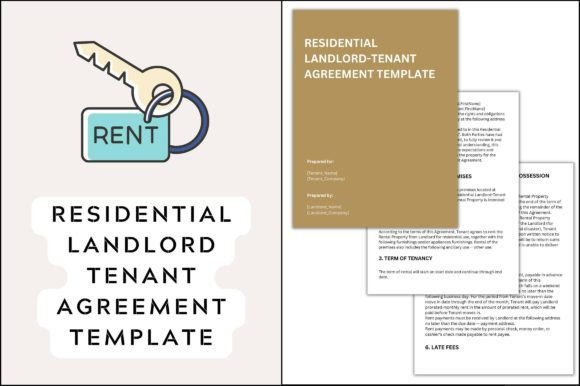
A Residential Landlord Tenant Agreement is a legal document that outlines the terms and conditions between a landlord and a tenant for a rental property. This agreement serves as a binding contract that ensures both parties understand their rights and responsibilities throughout the lease period. Whether you are a property owner looking to rent out your home or a tenant seeking a safe and clear rental arrangement, understanding this agreement is essential.
Why Someone Might Be Interested in a Residential Landlord Tenant Agreement
Individuals interested in a Residential Landlord Tenant Agreement may be real estate agents, private homeowners, or small business owners who manage rental properties. These agreements help establish clarity regarding rent, security deposits, maintenance responsibilities, and other critical details. For businesses, using a well-structured agreement can enhance professionalism and reduce potential disputes. Additionally, those looking to streamline their rental processes may find value in pre-designed templates that simplify the documentation process.
The demand for such agreements has grown as more people seek to rent out properties, whether as a side income source or through real estate investments. With the increasing number of rental transactions, having a clear and legally sound agreement is crucial to protect both parties involved.
Benefits of Using a Residential Landlord Tenant Agreement Template
Using a Residential Landlord Tenant Agreement template offers several advantages. First, it saves time by providing a ready-made structure that can be customized to fit specific needs. Instead of starting from scratch, users can edit existing sections, adjust terms, and ensure compliance with local laws. This makes the process efficient and less error-prone.
Another benefit is the ease of use. Many templates are designed with user-friendly interfaces, allowing even those without legal expertise to make necessary changes. Features like drag-and-drop editing, customizable fonts, and color options make it simple to create a professional-looking document. Additionally, these templates often come in multiple formats, including PDF, PNG, and SVG, making them accessible for printing or digital use.
For small businesses or individuals managing multiple properties, using a standardized template ensures consistency across all agreements. This not only improves organization but also reduces the risk of oversight in important clauses. The ability to resize documents to fit A4 or other standard sizes further enhances usability for printing purposes.
Considerations and Tradeoffs
While a Residential Landlord Tenant Agreement template offers convenience, it is important to consider potential tradeoffs. One key consideration is ensuring that the template complies with local landlord-tenant laws. Laws vary by region, and a generic template may not account for specific legal requirements. It is advisable to review the agreement with a legal professional or consult local regulations before finalizing any document.
Another factor is the level of customization. While many templates allow for adjustments, some may have limitations on how much can be modified. Users should assess whether the template provides enough flexibility to address unique situations, such as special lease terms or unique property conditions.
Additionally, relying solely on a template may not cover all possible scenarios. For example, complex issues like eviction procedures, subletting, or long-term leases may require additional clauses or legal advice. It is important to recognize the boundaries of a template and seek professional guidance when needed.
Situations Where a Residential Landlord Tenant Agreement Is a Strong Fit
A Residential Landlord Tenant Agreement is particularly useful in straightforward rental scenarios where both parties have clear expectations. For instance, if a homeowner is renting out a single-family home for a fixed term, a well-structured agreement can provide a solid foundation for the tenancy. Similarly, real estate agents managing multiple properties can benefit from using standardized templates to maintain consistency and efficiency.
This type of agreement is also ideal for short-term rentals, such as vacation homes or month-to-month leases. In these cases, having a clear document helps prevent misunderstandings about payment schedules, occupancy rules, and property usage. The ability to quickly customize and print the agreement makes it suitable for fast-paced rental environments.
For small businesses or independent landlords, using a Residential Landlord Tenant Agreement template can enhance credibility and professionalism. A well-drafted agreement demonstrates attention to detail and a commitment to fair practices, which can build trust with tenants and improve overall satisfaction.
Situations Where Alternatives May Be Worth Considering
In certain situations, alternatives to a standard Residential Landlord Tenant Agreement may be more appropriate. For example, if a rental involves unique circumstances—such as a long-term lease with special provisions or a commercial property—the standard template may not suffice. In these cases, working with a legal professional to draft a custom agreement may be necessary to address specific needs.
Additionally, in regions with strict landlord-tenant laws, relying solely on a template could lead to non-compliance. It is important to research and understand local regulations to ensure that the agreement meets all legal requirements. In some cases, using a legal service or consulting an attorney may be the best course of action.
For those unfamiliar with the rental process, alternatives such as online legal services or rental platforms may offer additional support. These resources can guide users through the agreement creation process and provide assistance in navigating legal complexities.
Practical Decision-Making Insights
When deciding whether a Residential Landlord Tenant Agreement aligns with your goals, consider your level of experience, the complexity of the rental situation, and your comfort with legal documentation. If you are new to property management or dealing with a straightforward rental, a well-designed template can be a valuable tool. However, for more complex scenarios, seeking professional advice is recommended.
It is also important to evaluate the quality and reliability of the template. Look for templates that are regularly updated, include essential clauses, and are compatible with your preferred editing tools. Reading reviews or checking user feedback can help identify templates that meet high standards of usability and accuracy.
Ultimately, the goal of a Residential Landlord Tenant Agreement is to create a clear and fair understanding between the landlord and tenant. By carefully selecting and customizing the right template, you can ensure that your rental agreements are both effective and legally sound.