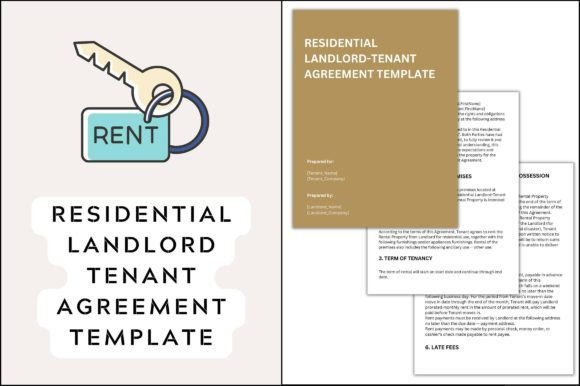
Residential Landlord Tenant Contract: A Comprehensive Guide
A Residential Landlord Tenant Contract is a legal document that outlines the terms and conditions between a landlord and a tenant for a rental property. This agreement serves as a binding agreement that ensures both parties understand their rights, responsibilities, and obligations throughout the lease period. Whether you're a private homeowner or a real estate agent, having a clear and well-structured contract is essential to avoid misunderstandings and potential disputes.
Why Consider a Residential Landlord Tenant Contract?
There are several reasons why someone might look into a Residential Landlord Tenant Contract. For landlords, it provides a framework for managing their property and ensuring that tenants adhere to agreed-upon rules. For tenants, it offers clarity on what they can expect from the landlord and what is expected of them. The contract also helps in setting expectations regarding rent payments, maintenance, and other important aspects of the tenancy.
Additionally, a well-drafted contract can help protect both parties in case of legal issues. It can serve as evidence in court if a dispute arises, such as non-payment of rent or damage to the property. This makes it an essential tool for anyone involved in the rental market.
Benefits of Using a Residential Landlord Tenant Contract Template
Using a Residential Landlord Tenant Contract Template can save time and reduce the risk of errors. These templates are designed to be user-friendly, allowing users to easily edit and customize the document according to their specific needs. Many templates come with editable fields for personal information, property details, and lease terms, making the process straightforward.
Moreover, these templates often include pre-written clauses that cover common rental scenarios, such as security deposits, maintenance responsibilities, and termination policies. This ensures that the contract is comprehensive and legally sound without requiring extensive legal knowledge.
Another benefit is the ability to print and use the contract immediately. With ready-to-print files, users can download the template, make necessary adjustments, and print it out for signing. This is especially useful for small businesses or individuals who need a quick and professional solution.
Considerations When Using a Residential Landlord Tenant Contract
While a Residential Landlord Tenant Contract offers many advantages, there are some considerations to keep in mind. First, it's important to ensure that the contract complies with local and state laws. Laws governing landlord-tenant relationships can vary significantly, so it's crucial to review the document with a legal professional if necessary.
Another consideration is the level of customization required. While templates provide a good starting point, they may not cover every unique situation. For example, a landlord with a specific set of rules or a tenant with special needs may require additional clauses or modifications to the standard template.
It's also important to consider the ease of use. Some templates may be more complex than others, depending on the design and layout. Users should choose a template that is easy to navigate and edit, especially if they are not familiar with legal terminology or document formatting.
Situations Where a Residential Landlord Tenant Contract Is Ideal
A Residential Landlord Tenant Contract is particularly useful in situations where a clear and formal agreement is needed. For instance, if a landlord is renting out a property for the first time, a contract can help establish a foundation for the tenancy. It is also beneficial when dealing with long-term leases, as it provides a structured approach to managing the relationship over time.
For real estate agents, using a contract can streamline the rental process and ensure consistency across different properties. It can also help in maintaining a professional image, which is important for building trust with clients and tenants.
Additionally, the contract is ideal for small businesses that want to present a polished and organized appearance. By using a downloadable and printable template, businesses can quickly produce professional documents that reflect their brand and values.
When Alternatives Might Be Worth Considering
In some cases, alternatives to a traditional Residential Landlord Tenant Contract may be more suitable. For example, if the rental arrangement is short-term or informal, a simple written agreement or verbal understanding might suffice. However, even in these cases, having a documented agreement can still provide clarity and protection.
Another alternative could be using a legal service or attorney to draft a custom contract. This option is more expensive but may be necessary for complex situations, such as commercial leases or properties with multiple tenants. It's important to weigh the cost against the benefits of a customized agreement.
Users should also consider whether the template they choose meets their specific needs. If the template lacks certain features or is not compatible with their workflow, exploring other options may be necessary.
Practical Insights for Decision-Making
When deciding whether to use a Residential Landlord Tenant Contract, it's important to evaluate your specific circumstances. Ask yourself questions such as: What are my legal obligations as a landlord? What do I expect from my tenant? How will I handle disputes or changes in the lease terms?
It's also helpful to research local regulations and consult with professionals if needed. Understanding the legal landscape can prevent potential issues and ensure that the contract is effective and enforceable.
Finally, consider the ease of use and accessibility of the template. Choose a format that allows for easy editing and printing, and ensure that it aligns with your business or personal goals. By taking these factors into account, you can make an informed decision that supports your needs and protects your interests.