Printable House Rental Lease Agreement: A Practical Tool for Landlords and Tenants
A Printable House Rental Lease Agreement is a legal document that outlines the terms and conditions of a rental arrangement between a landlord and a tenant. It serves as a formal record of the understanding between both parties, helping to prevent misunderstandings and disputes. This type of agreement is especially useful for small businesses or individuals looking to establish clear expectations and maintain professionalism in their rental operations.
What Makes a Printable House Rental Lease Agreement Distinct?
The key features that distinguish a Printable House Rental Lease Agreement from other rental documents include its ease of use, customization options, and accessibility. Unlike traditional lease agreements that may require legal assistance, these printable versions are designed to be user-friendly and adaptable to different situations. They can be downloaded, edited, and printed with minimal effort, making them an ideal choice for those who need a quick and efficient solution.
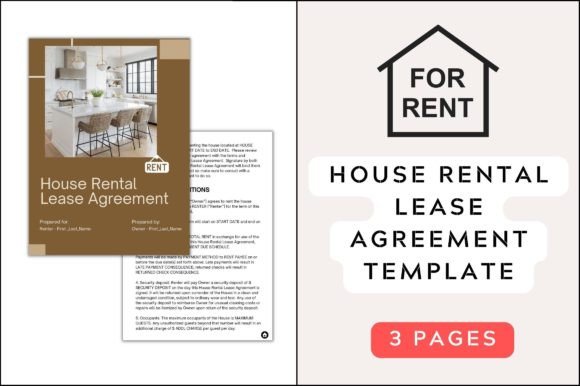
One of the most notable aspects of a Printable House Rental Lease Agreement is its editable nature. Users can modify elements such as font style, color, background, and layout to match their branding or personal preferences. This flexibility ensures that the document not only meets legal requirements but also aligns with the professional image of the landlord or business owner.
Comparing Options: Printable vs. Traditional Lease Agreements
When comparing a Printable House Rental Lease Agreement with traditional lease agreements, several factors come into play. Traditional contracts often involve more complex language, legal jargon, and higher costs due to the involvement of attorneys or real estate professionals. In contrast, printable versions offer a simpler, more cost-effective alternative that still provides essential legal protections.
Another difference lies in the format and accessibility. Traditional lease agreements are typically provided in physical form or through specialized legal software, while printable versions are available as digital files that can be accessed and shared instantly. This makes them particularly convenient for remote transactions or for landlords who manage multiple properties.
However, it's important to note that not all printable agreements are created equal. Some may lack the necessary legal clauses or fail to cover specific scenarios, which could leave either party vulnerable. Therefore, it's crucial to choose a template that is comprehensive and tailored to local rental laws.
Strengths and Tradeoffs of Using a Printable House Rental Lease Agreement
One of the main strengths of a Printable House Rental Lease Agreement is its affordability. For small businesses or independent landlords, this type of document offers a cost-effective way to establish clear terms without the need for expensive legal services. Additionally, the ability to customize the template allows users to create a document that reflects their unique needs and brand identity.
Another advantage is the time-saving aspect. With a printable template, users can avoid the lengthy process of drafting a lease from scratch. Instead, they can simply download the file, make any necessary adjustments, and print it out for signing. This is especially beneficial for those who are new to property management or have limited experience with legal documents.
On the other hand, there are some tradeoffs to consider. While printable templates are generally easy to use, they may not cover every possible scenario or legal requirement. For example, they might not include specific clauses related to security deposits, eviction procedures, or local housing regulations. In such cases, it may be necessary to consult a legal professional to ensure full compliance.
Best Fit Situations for a Printable House Rental Lease Agreement
A Printable House Rental Lease Agreement is best suited for straightforward rental arrangements where both parties have a clear understanding of the terms. It works well for short-term leases, informal rentals, or situations where the landlord and tenant have a pre-existing relationship. For instance, a landlord who rents out a spare room to a friend or family member might find a printable template to be a practical and efficient option.
This type of agreement is also ideal for small businesses that want to maintain a professional appearance without investing in custom legal documents. By using a customizable template, they can ensure that their lease agreements reflect their brand while still meeting legal standards.
However, it's important to recognize that not all rental situations are the same. For more complex arrangements—such as long-term leases, commercial properties, or multi-unit buildings—more detailed legal documentation may be required. In these cases, a printable template may not provide sufficient protection or clarity.
Limitations and Decision Factors
Despite its many benefits, a Printable House Rental Lease Agreement has certain limitations. One of the primary concerns is the potential for incomplete or inaccurate information. If the user does not fully understand the legal implications of each clause, they may inadvertently omit critical details or include misleading language. This could lead to disputes or legal challenges down the line.
Another limitation is the lack of legal oversight. While some printable templates are developed by legal experts, others may be created by individuals or third-party vendors with limited knowledge of rental law. As a result, it's essential to verify that the template complies with local regulations and includes all necessary provisions.
When deciding whether to use a Printable House Rental Lease Agreement, several factors should be considered. These include the complexity of the rental arrangement, the level of legal expertise available, and the specific needs of the landlord and tenant. For simple, low-risk situations, a printable template may be sufficient. However, for more complicated or high-stakes scenarios, it may be advisable to seek legal counsel or use a more comprehensive contract.
Realistic Examples and Practical Comparisons
Consider a scenario where a landlord is renting out a single-family home to a tenant. In this case, a Printable House Rental Lease Agreement could provide a clear outline of the rent amount, payment schedule, maintenance responsibilities, and rules regarding pets or subletting. The landlord could easily edit the template to reflect their specific requirements and then print it for the tenant to review and sign.
In contrast, a commercial landlord managing multiple office spaces might require a more detailed lease agreement that includes clauses related to business operations, insurance, and termination policies. In this situation, a printable template may not be adequate, and a custom legal document would likely be necessary.
Another example involves a small business owner who uses a Printable House Rental Lease Agreement to rent a retail space. By customizing the template with their company’s branding and adding relevant clauses, they can create a professional-looking document that enhances their credibility with tenants and partners.